


Introduction
When you begin planning a wedding, arranging a funeral, preparing a naming ceremony or marking another important moment in life, you may find yourself wondering who should lead the ceremony. This is where a celebrant can help.
A celebrant is a professional who creates and leads personalised ceremonies. Rather than following one standard format, a celebrant works with you to create a ceremony that reflects the people involved, their personalities, beliefs, values and stories.
Across the UK, celebrants lead weddings, funerals, celebrations of life, memorials, vow renewals, naming ceremonies and many other significant occasions. Depending on the type of celebrant you choose, a ceremony may be non-religious, spiritual, include elements of faith or combine different traditions.
In this guide, we explain what a celebrant is, what celebrants do, the different types of celebrant you may encounter and how a celebrant-led ceremony differs from one led by a registrar or religious minister.
What Is a Celebrant?
A celebrant is a professional ceremony officiant who designs and leads bespoke ceremonies for weddings, funerals, vow renewals, naming ceremonies and other life events.
Celebrant-led ceremonies can be:
- traditional or modern
- formal or relaxed
- spiritual, religious, non-religious or blended
- humorous, heartfelt or reflective
- held indoors or outdoors
- in licensed or unlicensed venues
The focus is always on creating a ceremony that reflects personality, values and emotion which means that a lot of time and extensive research often goes into a celebrant ceremony.
Celebrant, Registrar or Religious Minister – What Is The Difference?
If you are planning a wedding, funeral or other ceremony, you may come across celebrants, registrars and religious ministers. Although they can all lead ceremonies, their roles are quite different.
Registrars
Registrars are local authority officials who conduct civil marriages and civil partnerships in England and Wales.
For weddings, their primary role is to ensure that the legal requirements of the marriage or civil partnership are met. There may be opportunities to personalise parts of the ceremony, but there are restrictions on what can be included, particularly around religious content.
Some couples therefore choose to complete the legal formalities with a registrar separately and have a celebrant-led wedding ceremony on another occasion, or sometimes later the same day.
Religious Ministers
Religious ministers lead ceremonies according to the beliefs, traditions and practices of their particular faith or denomination.
Depending on the faith, denomination, location and circumstances, an authorised person or religious officiant may also be able to conduct the legal elements of a marriage.
Religious ministers also lead funerals and memorial ceremonies, which will usually include elements of their faith such as prayers, readings, hymns or other religious traditions.
Celebrants
Celebrants specialise in creating highly personalised ceremonies shaped around the people involved.
A celebrant-led ceremony can include stories, music, readings, humour, symbolic rituals, cultural traditions and, depending on the type of celebrant you choose, religious or spiritual elements.
For weddings, the legal position depends on where in the UK or Ireland you are getting married and the type of celebrant you choose.
In England and Wales, independent celebrant-led wedding ceremonies do not themselves complete the legal marriage formalities. Couples will usually complete the legal requirements separately with a registrar, leaving their celebrant-led ceremony free to be created around them.
In Scotland, the position is different. An authorised religious or belief celebrant can legally solemnise a marriage. This can include authorised humanist, pagan, spiritualist and interfaith celebrants. However, an independent or private celebrant who is not authorised to solemnise marriages cannot conduct the legal marriage, so it is important to check the status of the celebrant you choose.
In Northern Ireland, marriages may also be conducted by authorised religious or belief officiants, alongside civil marriages conducted through the registration service. Humanist celebrants may be authorised to conduct legal marriages, provided they meet the relevant requirements.
In the Republic of Ireland, legal marriages may be conducted by registered solemnisers. This can include civil registrars and registered religious or secular solemnisers, so couples should check that their chosen celebrant is included on the official Register of Solemnisers if they want the celebrant-led ceremony itself to be legally binding.
Where the celebrant-led ceremony is separate from the legal marriage, couples can have considerable freedom over where, when and how they celebrate their marriage.
For funerals, memorials and celebrations of life, celebrants work closely with families to create a ceremony that reflects the person who has died. This might be entirely non-religious or, with an independent celebrant, include prayers, hymns, blessings or other elements of faith if the family wishes.
Celebrants can also create naming ceremonies and other family celebrations, giving families the freedom to decide what the ceremony represents and which people, promises, readings or rituals they would like to include.
Independent Celebrants and Humanist
One of the choices you may come across when looking for a celebrant is whether to choose an independent celebrant or a Humanist celebrant. Both can create highly personal ceremonies, but there are differences in their approach.
Independent Celebrants
Independent celebrants are not required to follow a particular religious or belief framework. This gives them considerable flexibility to create a ceremony around the individual wishes, beliefs and values of the people involved.
Depending on what you would like, an independent celebrant may create:
- a completely non-religious ceremony
- a ceremony with spiritual elements
- a ceremony incorporating hymns, prayers or blessings
- a ceremony reflecting more than one faith or belief
- symbolic rituals such as handfasting, candle lighting or ring warming
- a ceremony with no traditional or religious elements at all
This flexibility can be particularly helpful for families and couples whose beliefs do not fit neatly into one tradition, or who simply want the freedom to choose what feels meaningful to them.
Humanist Celebrants
Humanist celebrants create non-religious ceremonies based on Humanist values and beliefs. Their ceremonies focus on people, relationships, experiences and the life we live, rather than religious faith or worship.
A Humanist ceremony will therefore generally not include religious worship such as prayers or hymns. Instead, the ceremony might include personal stories, readings, music, reflections and symbolic elements that are consistent with a Humanist approach.
Humanist celebrants may be trained, accredited or affiliated with a Humanist organisation, and the arrangements vary across the UK and Ireland.
Which Type of Celebrant Should I Choose?
Neither approach is inherently better than the other. The important question is which is right for you.
If you want complete flexibility to include religious, spiritual and non-religious elements within the same ceremony, an independent celebrant may be a particularly good fit.
If you want a specifically Humanist ceremony reflecting a non-religious Humanist philosophy, a Humanist celebrant may be the right choice.
And whichever type you are considering, look beyond the label. Celebrants have different personalities, styles, experience and specialisms, so take time to find someone with whom you feel comfortable and who understands the ceremony you want to create.
Types of Celebrants in the UK
Wedding Celebrants
Wedding celebrants create personal ceremonies that reflect a couple’s relationship, personalities and story. Rather than following a standard format, couples can work with their celebrant to decide what they would like their ceremony to include and how they want it to feel.
A celebrant-led wedding ceremony may include:
- personalised vows
- the couple’s love story
- symbolic rituals such as handfasting, unity candles or ring warming
- readings and music chosen by the couple
- cultural or family traditions
- humour and storytelling
- involvement from children, family, friends or even pets
One of the great advantages of choosing a celebrant is the creative freedom it can give you. Depending on the legal requirements where you are marrying, celebrant-led ceremonies can take place in all sorts of settings, from gardens, beaches and woodlands to barns, hotels, private homes and destination wedding venues.
Where the legal marriage formalities are completed separately, couples have even greater freedom to choose a location and create a ceremony that feels entirely personal to them.
If having the legal marriage and celebrant ceremony at the same time is important to you, check whether your chosen celebrant is authorised to solemnise marriages in the country where your wedding will take place.
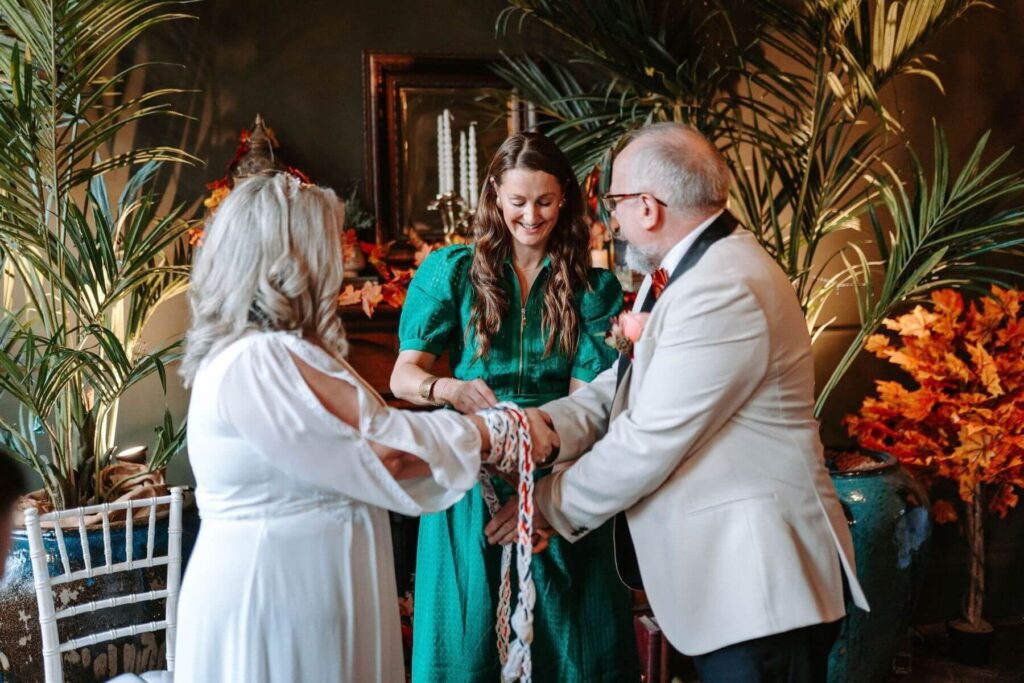
Vow Renewal Celebrants
Vow renewal celebrants help couples celebrate milestones, new beginnings or enduring commitment.
A celebrant-led vow renewal may include:
- renewed promises
- storytelling about the couple’s journey
- involvement of family and friends
- symbolic rituals
- personalised readings or music
Vow renewals can take place anywhere, including homes, gardens, holiday locations or meaningful venues. This flexibility means couples can celebrate wherever feels most significant to them.
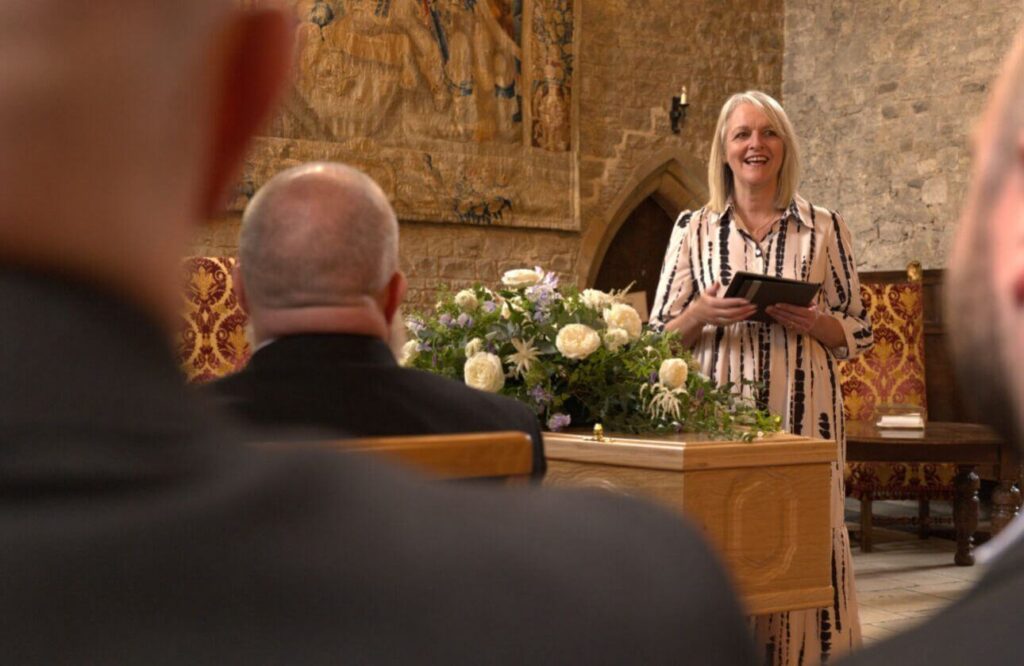
Funeral and Celebration of Life Celebrants
Funeral celebrants work with families to create personal and meaningful ceremonies that reflect the life, personality and story of the person who has died.
Rather than following a standard funeral format, a celebrant will spend time listening to the family, gathering memories and understanding what made that person unique. They can then bring those stories together into a ceremony that feels appropriate for the person being remembered and for those attending.
A celebrant-led funeral, memorial or celebration of life may include:
a personal eulogy or tribute
stories and memories from family and friends
readings, poems and music
gentle humour where appropriate
contributions from family members or friends
symbolic rituals such as candle lighting
a period of quiet reflection
religious or spiritual elements, such as prayers, hymns or blessings, where appropriate to the celebrant and requested by the family
Funeral celebrants can lead ceremonies at crematoria, cemeteries and natural burial grounds, as well as memorials and celebrations of life in alternative venues, gardens, private homes and other meaningful places.
A good funeral celebrant can also help families understand the choices available to them, particularly when they are unsure what a funeral or memorial ceremony can include.
Naming and Family Ceremony Celebrants
Naming celebrants create personal ceremonies to welcome a child, celebrate an adoption, bring together a blended family or mark a change of name or identity.
Unlike a christening or other religious naming ceremony, there is no prescribed format. Families can work with their celebrant to create a ceremony that reflects their own beliefs, values and family story.
A naming ceremony may include:
- promises from parents, guideparents or supporting adults
- readings, poems and music
- meaningful rituals such as tree planting, candle lighting, sand ceremonies or wish jars
- contributions from siblings, grandparents and other important people
- the signing of a commemorative certificate
Naming ceremonies can be held at home, outdoors or at a chosen venue, giving families considerable freedom to create a celebration that feels right for them.
And naming ceremonies are not only for babies. They can also be a meaningful way to welcome an older child into a family or to celebrate a new name or identity at any stage of life.

Alternative & Bespoke Ceremony Celebrants
Many celebrants specialise in unique ceremonies that mark important life moments, including:
- adoption celebrations
- coming-of-age or transition ceremonies
- gender identity or name affirmation ceremonies
- retirements and life achievements
- house blessings
- pagan or nature-based rituals
- pet memorials
- scattering of ashes
These ceremonies highlight personal meaning and connection, tailored entirely to the individual or family.
What Does a Celebrant Do?
A celebrant does much more than simply turn up and lead a ceremony. Their role usually begins well before the day itself and can include planning, writing, coordinating and helping the people involved feel confident about what will happen.
1. Meeting You and Getting to Know Your Story
A celebrant will usually spend time talking with you before writing the ceremony. Depending on the occasion, this might involve meetings, questionnaires, telephone or video calls and conversations with family members.
This is where they learn about the people involved, the stories that matter and how you would like the ceremony to feel.
2. Creating a Personal Ceremony
Using everything they have learned, the celebrant creates a ceremony around you rather than relying on a standard script.
For a wedding, this might include your love story, vows, readings and symbolic rituals. For a funeral, it may involve gathering memories and writing a eulogy or tribute that reflects the person who has died.
3. Helping You Choose What to Include
If you are not sure where to begin, your celebrant can suggest readings, music, rituals and ways to involve family and friends.
They can also help you think about the structure and flow of the ceremony and explain some of the choices available to you.
4. Liaising With Other People Involved
Celebrants often work alongside venues, wedding planners, funeral directors, photographers, musicians and other professionals to help ensure everyone understands what will happen during the ceremony.
For weddings, this may also include attending or leading a rehearsal.
5. Leading the Ceremony
On the day, the celebrant leads the ceremony and guides everyone through it.
Every celebrant has their own style. Some are naturally warm and informal, others more traditional or reflective, while many adapt their approach depending on the occasion and the people involved.
6. Providing Keepsakes
Many celebrants provide a copy of the ceremony afterwards. Depending on the ceremony, they may also provide vow cards, commemorative certificates or other keepsakes.
Why Choose a Celebrant?
People choose celebrants for many different reasons, but often it comes down to having greater choice over how an important moment in life is marked.
With a celebrant, your ceremony can be shaped around you rather than around a prescribed format. You can choose the tone, content, music, readings, rituals and people you would like to involve.
You might choose a celebrant because:
- you want a ceremony that feels personal rather than formulaic
- you would like greater freedom over the content and structure
- you want to hold your ceremony somewhere unusual or meaningful
- you would like to combine different beliefs, cultures or traditions
- you want to involve family, friends or children
- you are looking for someone whose personality and style feels right for you
- you want time to build a relationship with the person who will lead your ceremony
Perhaps most importantly, choosing a celebrant gives you the opportunity to find the right person to tell your story and lead one of life’s significant moments.
How to Choose the Right Celebrant
Choosing a celebrant is personal. Qualifications and experience matter, but so does finding someone whose personality, style and approach feel right for you.
When comparing celebrants, consider:
- The type of ceremony you want. Are you looking for something non-religious, spiritual, traditional, informal or a blend of different beliefs and ideas?
- Their personality and style. Read their profile, look at photographs or videos and get a feel for how they communicate.
- Their experience and specialisms. Some celebrants specialise in particular ceremonies, rituals, cultures or styles.
- The areas they cover. Celebrants often travel beyond the town or county where they are based, so check their profile to see whether they cover your ceremony location.
- Training and professional memberships. You may wish to look at their training, qualifications, professional memberships and awards.
- Reviews and testimonials. These can give you an insight into other people’s experience of working with them.
- Availability and price. Check whether they are available for your date and whether their fee and what it includes are right for you.
Most importantly, have a conversation with them.
The person leading your ceremony will be part of an important moment in your life, so you should feel comfortable talking to them and confident that they understand what you want.
SearchCelebrants allows you to browse celebrant profiles, compare their experience, ceremony styles, specialisms and areas covered, and then contact the celebrants who feel like the best fit for you.
FAQs
What is a celebrant?
A celebrant is a professional who creates and leads personalised ceremonies for important life events. These can include weddings, funerals, memorials, celebrations of life, vow renewals, naming ceremonies and other significant occasions.
What does a celebrant do?
A celebrant works with you to plan, write and lead a ceremony that reflects the people involved. They may help with readings, music, vows, rituals and the structure of the ceremony, as well as liaising with other people involved on the day.
Can a celebrant legally marry you in the UK?
It depends on where you are getting married and the type of celebrant you choose.
In England and Wales, an independent celebrant-led wedding will not usually complete the legal marriage formalities, so couples generally arrange these separately.
In Scotland, an authorised religious or belief celebrant can legally solemnise a marriage. This can include authorised Humanist and other belief celebrants. Independent or private celebrants who are not authorised cannot legally solemnise the marriage.
In Northern Ireland, religious or belief marriages can be conducted by an officiant who has been registered and authorised to conduct marriages.
In the Republic of Ireland, the person conducting a legal marriage must be on the official Register of Solemnisers. Registered solemnisers can include members of recognised religious and secular bodies as well as civil registrars.
If it is important that your celebrant conducts the legal marriage as part of your ceremony, always check their status and the requirements that apply where you are getting married.
What’s the difference between a celebrant and a registrar?
A registrar is responsible for conducting and registering civil marriages and civil partnerships in accordance with the law.
A celebrant’s focus is generally on creating a highly personalised ceremony around the people involved. Depending on where you are marrying and the celebrant’s status, the celebrant-led ceremony may be separate from the legal marriage or, in some jurisdictions, an authorised celebrant may also be able to solemnise the marriage.
Can a celebrant ceremony include religion?
It depends on the type of celebrant you choose.
Independent celebrants can generally incorporate religious, spiritual and non-religious elements according to your wishes. A Humanist celebrant will usually create a non-religious ceremony consistent with Humanist beliefs and values.
If including particular prayers, hymns, blessings or faith traditions is important to you, discuss this with potential celebrants before booking.
Where can a celebrant ceremony take place?
One of the attractions of a celebrant-led ceremony is the flexibility it can offer over location.
Depending on the type of ceremony and any legal requirements involved, ceremonies may take place in gardens, woodlands, beaches, barns, hotels, private homes, crematoria, cemeteries, natural burial grounds and many other meaningful places.
How much does a celebrant cost?
Celebrant fees vary depending on the type of ceremony, location, experience of the celebrant and what is included in their service.
Rather than comparing price alone, check what the fee includes, such as meetings, ceremony writing, rehearsals, travel, vow writing or other support.
How do I find a celebrant near me?
SearchCelebrants allows you to browse celebrants by ceremony type and location. Remember that many celebrants travel beyond the area where they are based, so check the areas covered on their profile as well as their home location.
You can then compare profiles, styles, experience and specialisms before contacting celebrants who feel like the right fit.
Find the Right Celebrant for Your Ceremony
Celebrants play a vital role across the UK, offering crea
Whatever you are planning, the right celebrant can help you create a ceremony that feels personal, meaningful and true to the people at the heart of it.
SearchCelebrants brings together celebrants with different styles, experience, specialisms and approaches from across the UK and Europe. Take some time to explore their profiles, discover the areas they cover and find someone who feels right for you.
Ready to start your search? Browse SearchCelebrants and find the right person for your ceremony.
If you would like to know more about Wedding Celebrants take a look at: A Celebrant Wedding – Your Dream Ceremony