

Introduction
When you begin planning a wedding, arranging a funeral, preparing a naming ceremony or marking any significant milestone, one of the first questions is often: “Who will lead the ceremony?”
Across the UK, many families and couples choose a celebrant as celebrants are trained professionals who create personalised, meaningful and flexible ceremonies shaped entirely around the individuals involved.
Celebrants differ from registrars and religious ministers because because unlike these officials, they are often not restricted by legal wording or strict religious structures.
This guide explains what celebrants do and the types of celebrants available in the UK. Also, it outlines the key differences between independent celebrants and Humanist celebrants.
What Is a Celebrant?
A celebrant is a professional ceremony officiant who designs and leads bespoke ceremonies for weddings, funerals, vow renewals, naming ceremonies and other life events.
Celebrant-led ceremonies can be:
- traditional or modern
- formal or relaxed
- spiritual, religious, non-religious or blended
- humorous, heartfelt or reflective
- held indoors or outdoors
- in licensed or unlicensed venues
The focus is always on creating a ceremony that reflects personality, values and emotion which means that a lot of time and extensive research often goes into a celebrant ceremony.
Celebrant, Registrar or Religious Minister – What Is The Difference?
Registrars
Registrars conduct legal marriages and civil partnerships in England and Wales. Much of their ceremony must follow a set script which cannot include religious content. Moreover they offer limited personalisation and every ceremony must take place in a licensed venue.
Religious Ministers
Ministers conduct ceremonies based on the traditions of their faith and their services follow fixed prayers, readings and rituals. Church of England, Catholic, Jewish, Anglican and Quaker leaders can perform legal marriages in England and Wales if they are registered to do so.
Religious ministers will also lead religious ceremonies in their place of worship or at a crematorium or burial site following the words of their faith with a eulogy often supplied by the family to create a more personal send off.
Celebrants
Celebrants provide a fully personalised experience which means every ceremony can be entirely different from any other. They are not bound by legal or religious restrictions, meaning the ceremony can be written and structured entirely around the people involved.
In England and Wales, celebrants do not conduct legal marriages, however in In Scotland and Ireland some Humanist celebrants can solemnise legal marriages. If the celebrant cannot solemnise the legal marriages, couples typically complete the legal registration separately then enjoy a bespoke celebrant-led ceremony.
Celebrations of Life tend to be very personal and their story is woven through the script with a celebrant leading the ceremony. As it says on the tin, it is a celebration of who they were and what they did rather than scripture and faith.
Naming ceremonies are a way of welcoming a child into its family and community therefore celebrants can make this a really special and memorable way of celebrating children.
Independent Celebrants and Humanist Celebrants
Independent Celebrants
Trained professionals with complete creative flexibility, independent celebrants are not aligned to any specific belief system and can therefore offer a plethora of different options including:
- non-religious ceremonies
- ceremonies with light spiritual elements
- ceremonies with religious content such as hymns or prayers
- blended-belief or multi-faith ceremonies
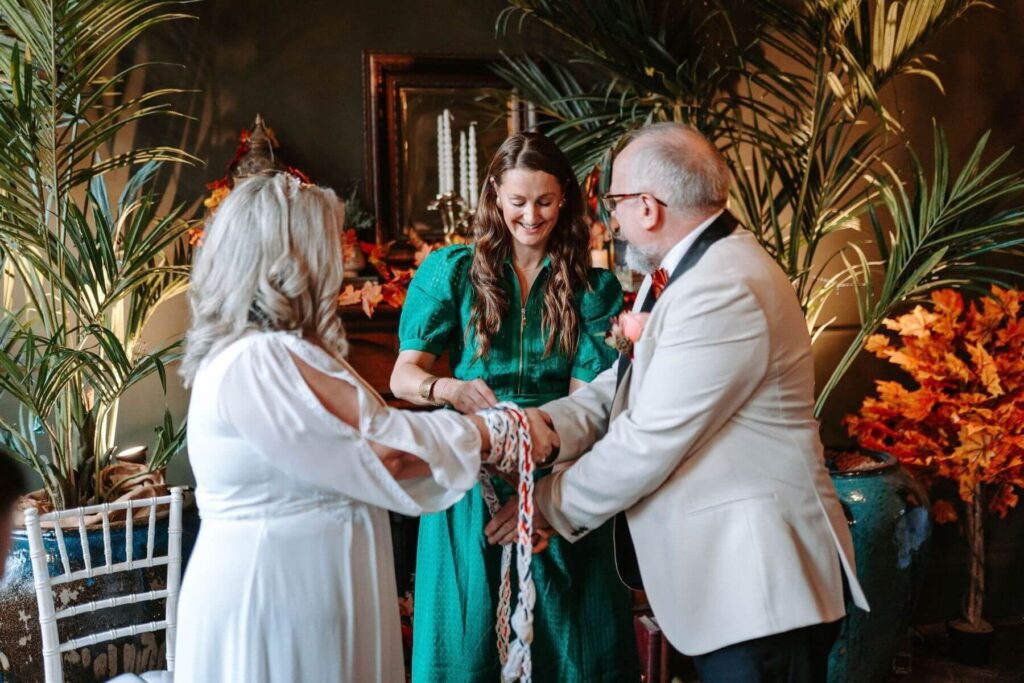
- symbolic rituals such as candle lighting or handfasting
Independent celebrants are ideal for:
- non-religious families
- couples wanting elements of faith or spirituality
- blended-belief families
- funerals where hymns or prayers may provide comfort
- weddings in outdoor or unlicensed venues
- anyone wanting a ceremony that reflects their beliefs and personality
The approach of Independent Celebrants therefore centres on personal choice and inclusivity.
Humanist Celebrants
These celebrants are trained by Humanists UK or similar organisations and as a result their ceremonies are strictly non-religious and follow belief patterns based on scientific evidence. Consequently Humanists talk about one life and a focus on the here and now.
Humanist ceremonies do not include:
- prayers
- hymns
- religious readings
- spiritual references
- blessings
They focus on human values, relationships and personal stories. Humanist celebrants are ideal for individuals and families who identify as firmly non-religious and want live by Humanist principles.
Why the Difference Matters
Many UK families include people with varied beliefs; whilst some may want a hymn or gentle blessing, others may prefer a secular ceremony.
Independent celebrants offer full flexibility whilst Humanist celebrants offer a strictly non-religious approach but both can therefore reflect their clients’ beliefs. Understanding this distinction no doubt helps families and couples choose the right celebrant for their ceremony at the planning stage.
Types of Celebrants in the UK
Wedding Celebrants
Wedding celebrants create bespoke ceremonies that reflect a couple’s personality and love story. Furthermore, they allow couples to shape the tone so the ceremony feels entirely authentic. They are not restricted by licensing laws, which allows complete creative freedom.
Wedding celebrant ceremonies may include:
- personalised vows
- symbolic rituals such as handfasting, unity candles or ring warming
- readings and music chosen by the couple
- cultural traditions
- humour and storytelling
- involvement of children, friends or pets
Because celebrants are not restricted by licensing laws, they are ideal for outdoor weddings, unlicensed venues, destination weddings and unique or non-traditional celebrations. Consequently, couples have far greater freedom to choose a location that reflects who they are plus a celebrant-led wedding gives couples the freedom to design a ceremony that feels personal and memorable.
Vow Renewal Celebrants
Vow renewal celebrants help couples celebrate milestones, new beginnings or enduring commitment.
A celebrant-led vow renewal may include:
- renewed promises
- storytelling about the couple’s journey
- involvement of family and friends
- symbolic rituals
- personalised readings or music
Vow renewals can take place anywhere, including homes, gardens, holiday locations or meaningful venues. This flexibility means couples can celebrate wherever feels most significant to them.
Funeral and Celebration of Life Celebrants
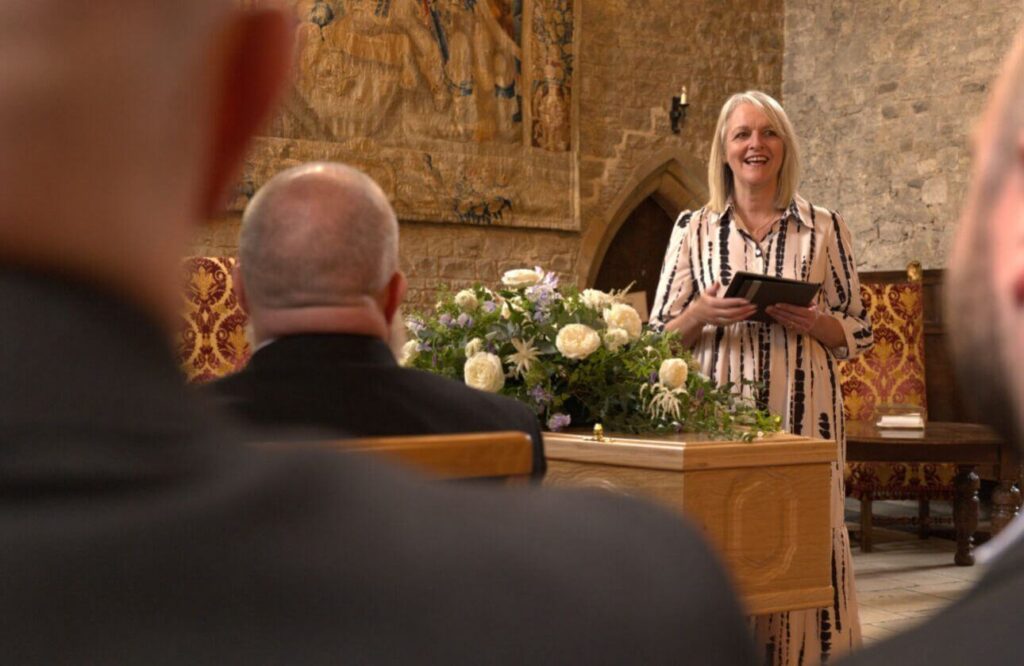
Funeral celebrants create compassionate, meaningful and personalised ceremonies that honour the life of the person who has died.
A celebrant-led funeral may include:
- a bespoke tribute
- readings, music and poems
- gentle humour where appropriate
- spiritual or religious elements if requested (independent celebrants)
- symbolic rituals such as candle lighting or memory boxes
- family contributions
Celebrants support families by offering time, empathy and guidance, thereby ensuring the farewell feels authentic and fitting.
Funeral celebrants lead ceremonies in crematoriums, burial grounds, private venues including cherished homes, gardens and natural settings.
Naming and Family Ceremony Celebrants
Naming ceremony celebrants create personalised, non-religious ceremonies that welcome a new child, celebrate a blended family or honour a child’s chosen name. Rather than promising religious teachings, the important people in their lives are promising to love and nurture the children into adulthood and beyond.
Ceremonies may include:
- parental promises
- guideparents
- readings and poems
- meaningful rituals such as tree planting or wish jars
- participation from siblings or grandparents
Naming ceremonies can take place at home, outdoors or in hired venues, so contact your celebrant who will be able to make some great suggestions about local venues.

Alternative and Bespoke Ceremony Celebrants
Many celebrants specialise in unique ceremonies that mark important life moments, including:
- adoption celebrations
- coming-of-age or transition ceremonies
- gender identity or name affirmation ceremonies
- retirements and life achievements
- house blessings
- pagan or nature-based rituals
- pet memorials
- scattering of ashes
These ceremonies highlight personal meaning and connection, tailored entirely to the individual or family.
What Does a Celebrant Do?
1. Meeting Clients and Gathering Their Story
Celebrants learn about the couple or family through meetings, questionnaires or conversations.
2. Writing a Bespoke Script
Every ceremony script is written from scratch and reflects the client’s wishes, personality and values.
3. Liaising With Suppliers
Celebrants coordinate with venues, planners, funeral directors, photographers and musicians. By doing so, they ensure every element of the ceremony runs smoothly.
4. Preparing the Ceremony
This may include rehearsals, vow writing support, timing checks, assembling rituals and final edits.
5. Leading the Ceremony
Celebrants deliver the ceremony confidently and warmly – with each celebrant having their own individual style.
6. Providing Keepsakes
Many offer printed or printable scripts, vow cards or certificates.
Why Choose a Celebrant?
- Personalised ceremonies
- Complete flexibility
- Inclusive and welcoming for all beliefs
- Choice of independent or Humanist approach
- Creative symbolic rituals
- Ideal for outdoor or non-traditional venues
How to Choose the Right Celebrant
- Decide whether you want a non-religious, spiritual or blended ceremony
- Review celebrants’ profiles, videos and testimonials
- Look for professional training and experience
- Arrange a conversation to check compatibility
FAQs
Can celebrants legally marry couples?
In England and Wales, celebrants do not conduct legal marriages whilst in Scotland and Ireland, some can.
Can celebrants include hymns or prayers in ceremonies?
Independent celebrants can but Humanist celebrants cannot.
Are celebrant ceremonies personalised?
Yes. Every ceremony is written from scratch.
Can celebrants conduct ceremonies outdoors?
Yes. Celebrants can lead ceremonies almost anywhere.
Final Thoughts
Celebrants play a vital role across the UK, offering creative, flexible and meaningful ceremonies for weddings, funerals, naming ceremonies and personal milestones. Thus, whether you are searching for a ceremony which is non-religious, spiritual or a blend of both, a celebrant will undoubtedly ensure that their ceremony reflects the real story behind the people involved.
Find Your Celebrant on SearchCelebrants.com
In short, if you are looking for a wedding celebrant, funeral celebrant, naming celebrant or someone to create a personalised ceremony of any kind, head over to the main directory at SearchCelebrants.com. There you can now browse through trusted celebrants working across the UK, compare their styles and contact the right person for your occasion.
Start your search now at SearchCelebrants.com